Kathmandu / Islamabad — Friday, July 31, 2026
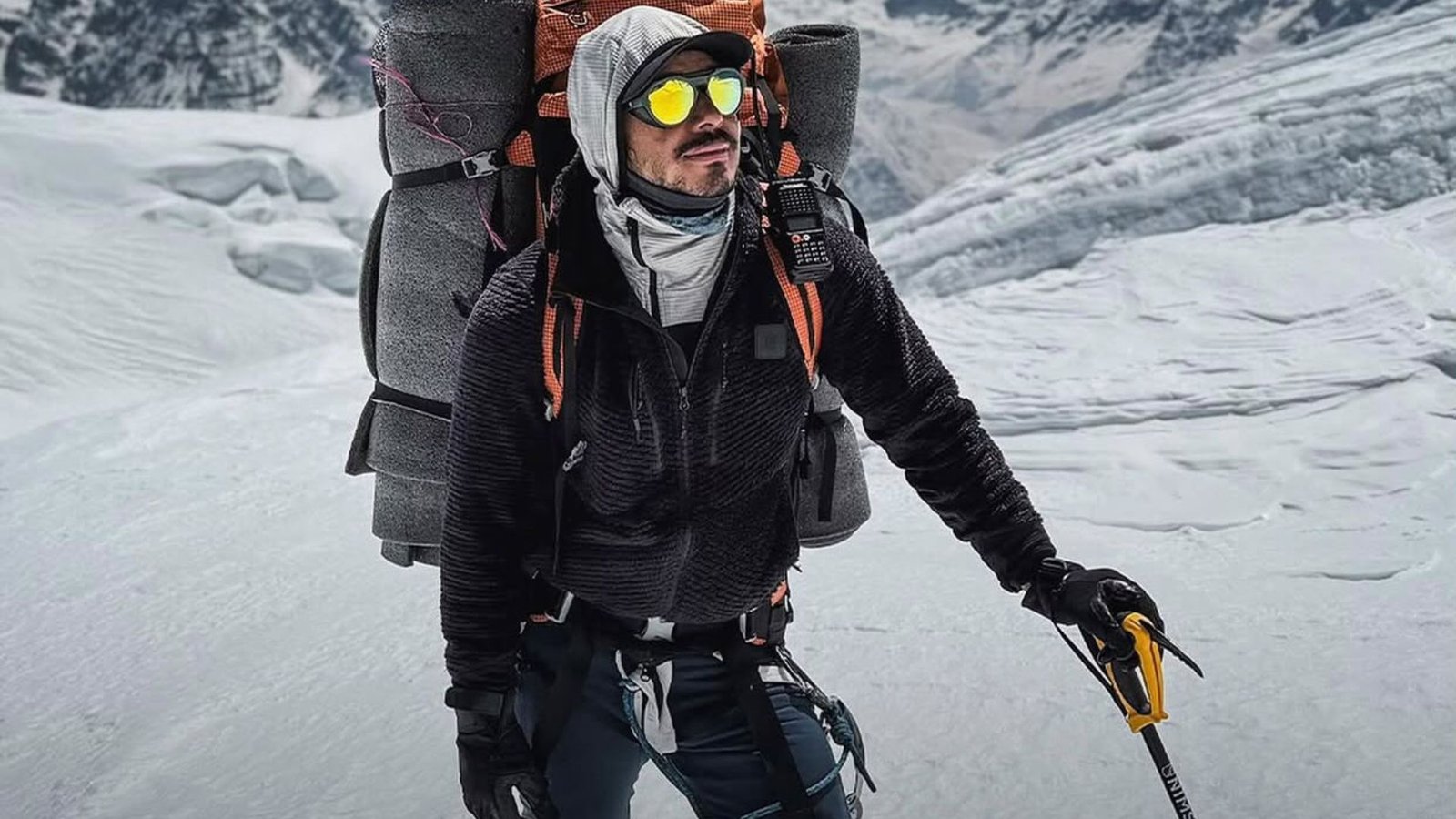
A large-scale search-and-rescue operation is underway in Pakistan’s Karakoram Range after a powerful avalanche struck a 10-member international climbing team on Broad Peak (8,047 meters), one of the world’s 14 mountains above 8,000 meters. Among the missing is renowned Nepali mountaineer Nirmal Purja (Nims Dai), one of the most accomplished high-altitude climbers of the modern era.
As of the latest official updates, four bodies have been recovered from the avalanche site. Authorities have formally identified two of the victims as Pur Bahadur Gurung (“Yukta”) of Nepal and Nadhira Ahmed Abdullah Al Harthy of Oman. Al Harthy is the first Omani woman to summit Mount Everest in 2019, who also successfully climbed K2 and Manaslu. The identities of the remaining two recovered climbers have not yet been officially released.
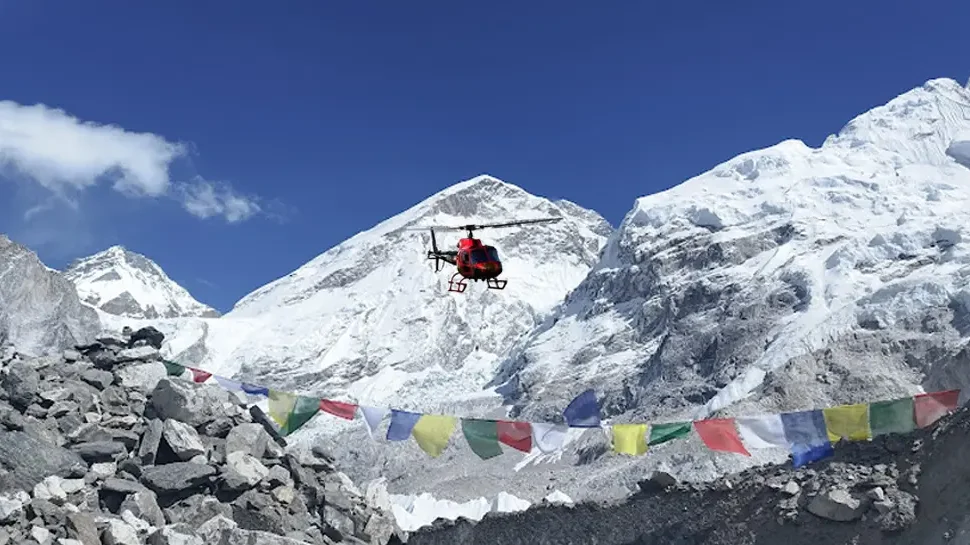
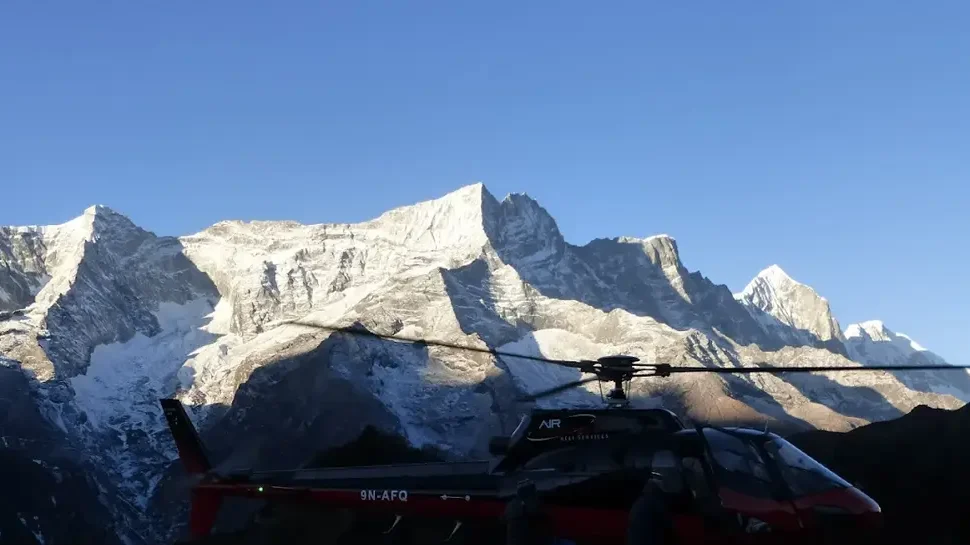
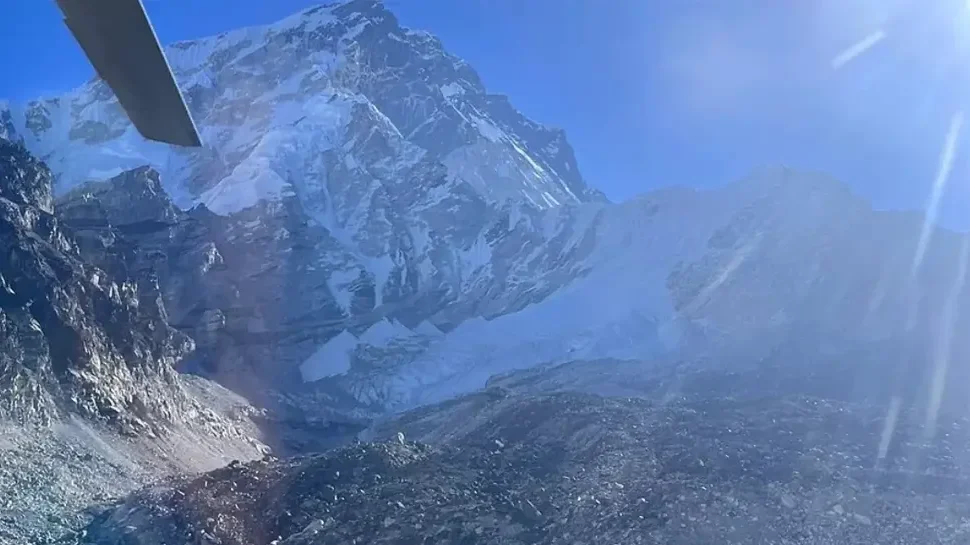
The rescue operations are continuing under extremely challenging conditions, with Nirmal Purja and five other climbers still unaccounted for. Helicopters, drones, and ground rescue teams remain engaged in the search as authorities continue efforts to locate the missing expedition members.
How the Avalanche Unfolded
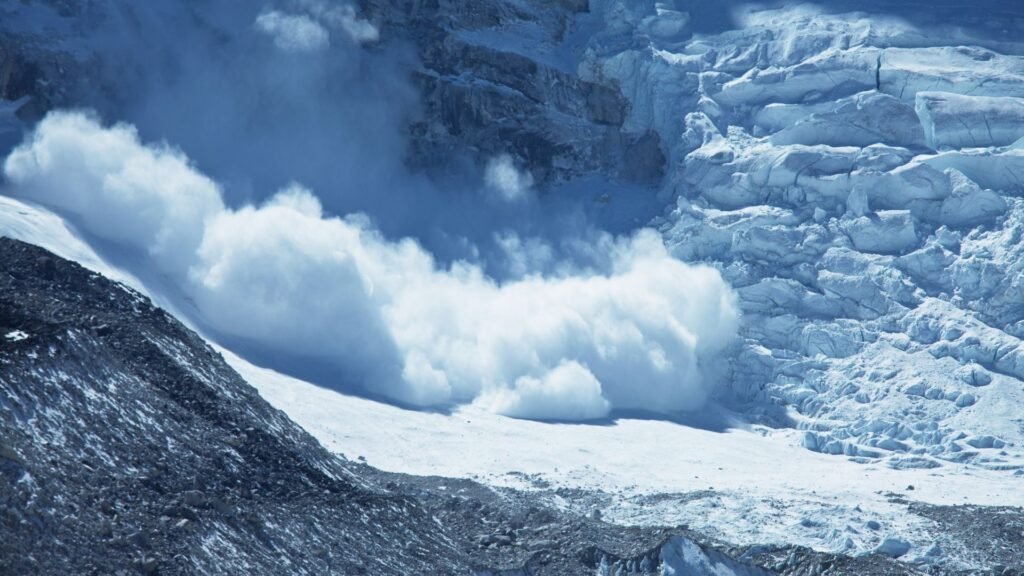
The avalanche struck Broad Peak (8,047 meters) on the morning of Thursday, July 30, 2026, at approximately 9:20–9:30 a.m. local time. The international climbing team was ascending between Camp 2 and Camp 3, at an altitude of around 6,600 meters (21,650 feet), as they made their way toward Camp 3 ahead of a planned summit attempt the following day. The avalanche swept through one of the mountain’s most exposed sections, where unstable snow conditions and steep terrain present a constant risk to climbers.
According to the Alpine Club of Pakistan (ACP), the expedition lost communication immediately after the avalanche. Rescue officials believe the team was caught in the slide during the ascent, while some reports have suggested that two avalanches may have occurred in quick succession. However, authorities have continued to investigate the exact sequence of events.
One of the most concerning aspects of the incident was the delay in raising the alarm. Rescue coordinators were reportedly notified at around 10:00 p.m. on Thursday, nearly 13 hours after the avalanche occurred. Speaking to ExplorersWeb, ACP member Naila Kiani said the delay came as a shock to the climbing community, as valuable rescue time was lost before authorities became aware of the emergency.
Because someone reported the incident after nightfall, helicopters could not begin aerial search operations until the following morning. The lost daylight hours significantly reduced the opportunity for an immediate response, leaving rescue teams to face increasingly difficult weather, poor visibility, and continued avalanche danger as the search began.
Rescue Operation
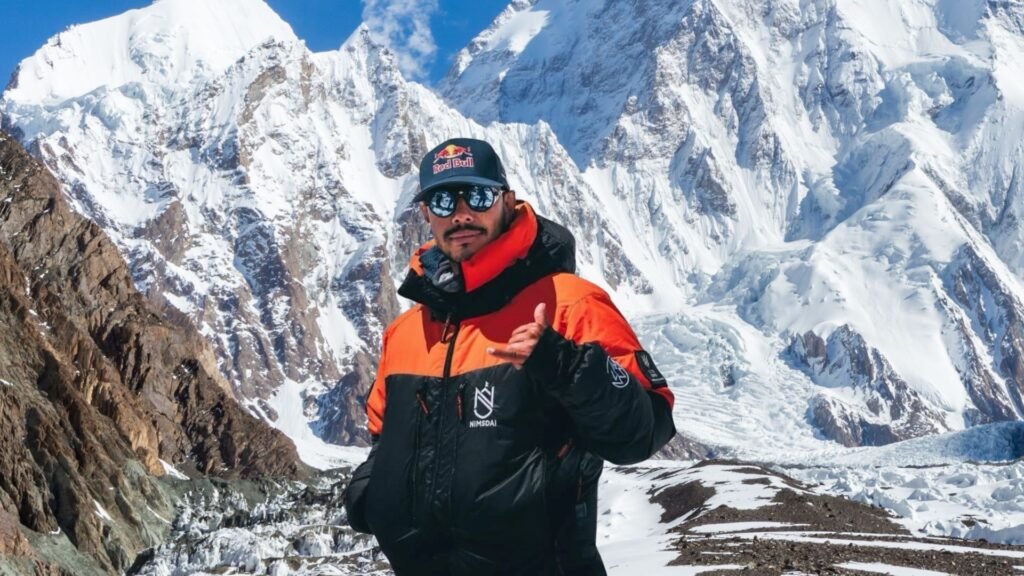
Poor weather grounded helicopters through much of Thursday night and early Friday. Ground rescue teams, including climbers from the Hunza-based outfitter Karakoram Expeditions, carried out an overland recovery effort and located four bodies at the base of the avalanche, opposite Broad Peak Base Camp.
By Friday morning, two helicopters had been deployed from Skardu, along with drones, to work alongside ground teams. According to Alpine Club of Pakistan general secretary Ayaz Ahmed Shigri, four of the missing climbers’ locations were still showing up via GPS as of Friday.
Karrar Haidri, senior vice president of the ACP, said the organization was mobilizing every available resource for the operation. Thaneshwar Guragain, general manager of Seven Summit Treks, said the odds of finding the remaining climbers alive were narrowing with time.
Nepal’s Ministry of Foreign Affairs said the Nepali Embassy in Islamabad is coordinating directly with Pakistani authorities, including the ACP, to support the search.
Who Was on the Mountain?
The Broad Peak expedition consisted of 10 climbers and guides from Nepal, Pakistan, the United States, China, and Oman, representing four separate climbing teams attempting the ascent during the 2026 Karakoram climbing season. The team included experienced mountaineers, high-altitude Sherpa guides, and international climbers pursuing one of the world’s most challenging 8,000-meter peaks.
The climbers involved in the expedition were
- Nirmal “Nims Dai” Purja (Nepal)—Expedition leader and founder of Elite Exped
- Pur Bahadur Gurung “Yukta” (Nepal)—High-altitude guide; body recovered and officially identified
- Kili Pemba Sherpa “Kilu” (Nepal)—High-altitude Sherpa guide
- Nima Sherpa (Nepal)—High-altitude Sherpa guide
- Nawang Thindu Sherpa (Nepal) – High-altitude Sherpa guide
- Gyalu Sherpa (Nepal) – High-altitude Sherpa guide
- Sohail Sakhi (Pakistan, Hunza)—Pakistani climber and guide accompanying an American client
- Mallory Geis (United States) – American mountaineer
- Nadhira Ahmed Abdullah Al Harthy (Oman)—Omani mountaineer; body recovered and officially identified
- Wang Zhong (China) – Chinese mountaineer
According to the Alpine Club of Pakistan (ACP), Pur Bahadur Gurung of Nepal and Nadhira Ahmed Abdullah Al Harthy of Oman have been officially identified among the four bodies recovered from the avalanche site. Al Harthy’s body has been airlifted to Skardu, while arrangements have been made to transport Gurung’s remains. The identities of the other two recovered climbers have not yet been officially released, and authorities have continued efforts to identify them.
Unconfirmed Reports
Some media reports have cited an unverified claim regarding Nirmal Purja’s satellite tracking device. According to Nepali news outlet Ratopati, citing Nepali Member of Parliament and Purja’s business partner Mingma David Sherpa, Purja’s Garmin satellite tracker last transmitted a location at approximately 5,878 meters early on Friday, July 31, showing no movement and a low battery level. The Alpine Club of Pakistan has not officially confirmed this information, and it should be treated as unverified until confirmed by rescue authorities or expedition organizers.
Who Was Nadhira Al Harthy?
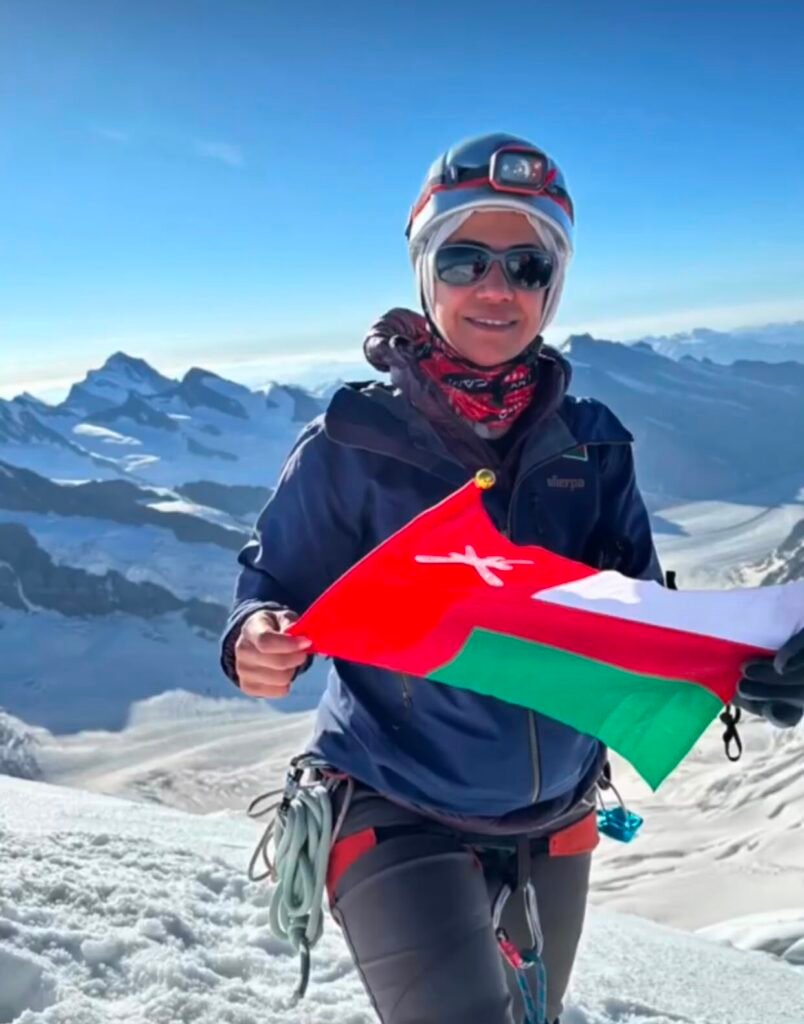
Nadhira Al Harthy, born around 1978 in Muscat, was an Omani civil servant turned mountaineer. A former geography teacher, she took up climbing later in life and in 2019 became the first Omani woman to summit Mount Everest. She went on to climb Manaslu, Ama Dablam (a first for an Arab woman), K2 (a first for any Omani), the Matterhorn, and Nanga Parbat, becoming the first Omani woman to climb four peaks above 8,000 meters, earning her the nickname “the Omani ice queen.” She was climbing Broad Peak with Seven Summit Treks when the July 30 avalanche struck and killed her. Her body has been recovered and formally identified by the Alpine Club of Pakistan, and her death is being mourned across Oman.
Who Is Nirmal Purja?
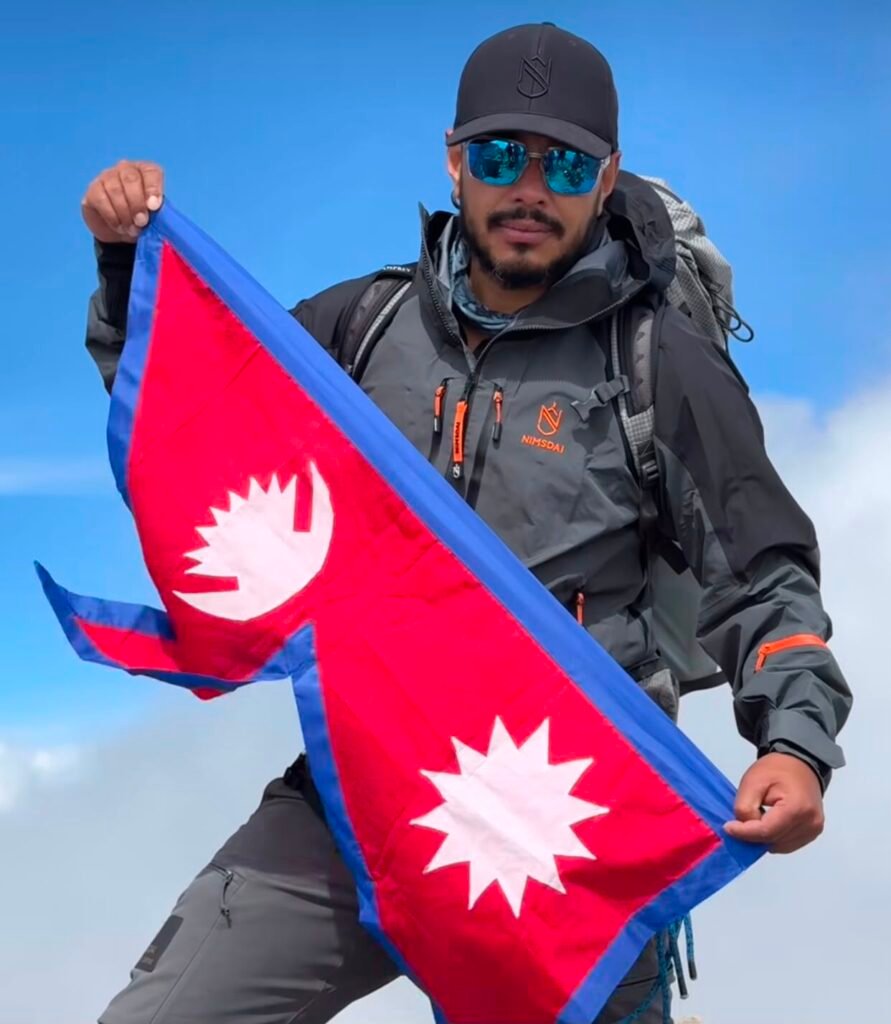
Nirmal Purja (Nims Dai) is a world-renowned Nepali mountaineer, a former Brigade of Gurkhas soldier, and a UK Special Boat Service (SBS) veteran who served 16 years in the British military. He gained global recognition in 2019 after completing Project Possible, becoming the fastest person to climb all 14 of the world’s 8,000-meter peaks in just 6 months and 6 days, a feat chronicled in the Netflix documentary 14 Peaks: Nothing Is Impossible.
In 2024, he set another record by becoming the fastest climber to complete all 14 eight-thousanders without supplemental oxygen. Before the Broad Peak expedition, Purja had completed an oxygen-free Everest–Lhotse traverse in May 2026 and summited Gasherbrum II without supplemental oxygen on July 21, 2026, just over a week before the avalanche struck.
According to a spokesperson, the Nimsdai Foundation remains in contact with authorities, with its immediate priority focused on the safety and well-being of everyone involved.
About Broad Peak
Broad Peak, locally known as Falchan Kangri, is the 12th-highest mountain in the world, standing at 8,047 meters (26,401 feet) in Pakistan’s Karakoram Range, about 8 kilometers from K2 near the Pakistan–China border. Although it is often considered less technically demanding than K2, Broad Peak remains one of the world’s most challenging mountains due to its extreme altitude, unpredictable weather, steep terrain, and frequent avalanche risk. Over the years, the mountain has witnessed several fatal accidents, highlighting the dangers faced by climbers attempting to summit one of the world’s 14 eight-thousanders.
Why the Rescue Remains Difficult
- Extreme altitude: the avalanche zone sits above 6,600 meters, where thin air and extreme cold slow every part of the operation
- Ongoing avalanche risk: the same unstable slopes that caused the initial slide continue to threaten rescuers
- Poor weather: heavy snowfall and unstable conditions have repeatedly grounded helicopters and limited visibility
- Remote terrain: Broad Peak sits deep in the Karakoram Range near K2, along the Pakistan–China border, far from road access
- Slower helicopter clearance: unlike in Nepal, helicopter operations in Pakistan are coordinated through military channels, requiring multiple clearances that add delay
Latest Rescue Status
Broad Peak Avalanche (as of Friday, July 31, 2026, afternoon)
- 4 bodies recovered by ground rescue teams; 2 formally identified: Pur Bahadur Gurung (“Yukta,” Nepal) and Nadhira Al Harthy (Oman)
- 6 climbers remain unaccounted for, including Nirmal Purja; no confirmed news on his status yet
- GPS data from some of the missing climbers shows the avalanche swept the group nearly 1,000 meters downhill
- 2 Pakistan Army Aviation helicopters plus drones actively engaged in the search alongside ground teams
- Gilgit-Baltistan Chief Minister Amjad Hussain has directed all relevant departments to stay on high alert and speed up the rescue effort.
- Nepal’s Ministry of Foreign Affairs says its Islamabad embassy is coordinating directly with Pakistani authorities and the Alpine Club of Pakistan.
- Weather remains a limiting factor for continuous helicopter operations.
- An unverified satellite-tracker report (from a single Nepali source) claims Purja’s device showed him stationary at ~5,878 m early Friday with a low battery not confirmed by the Alpine Club of Pakistan.